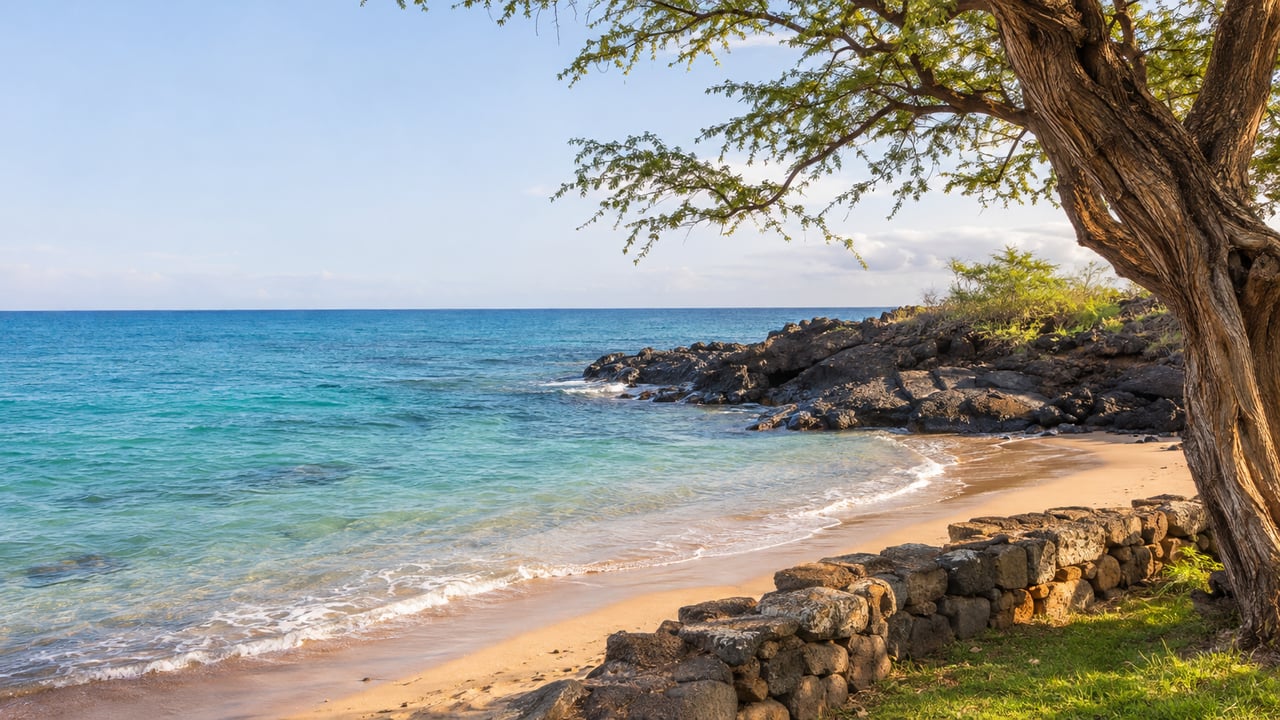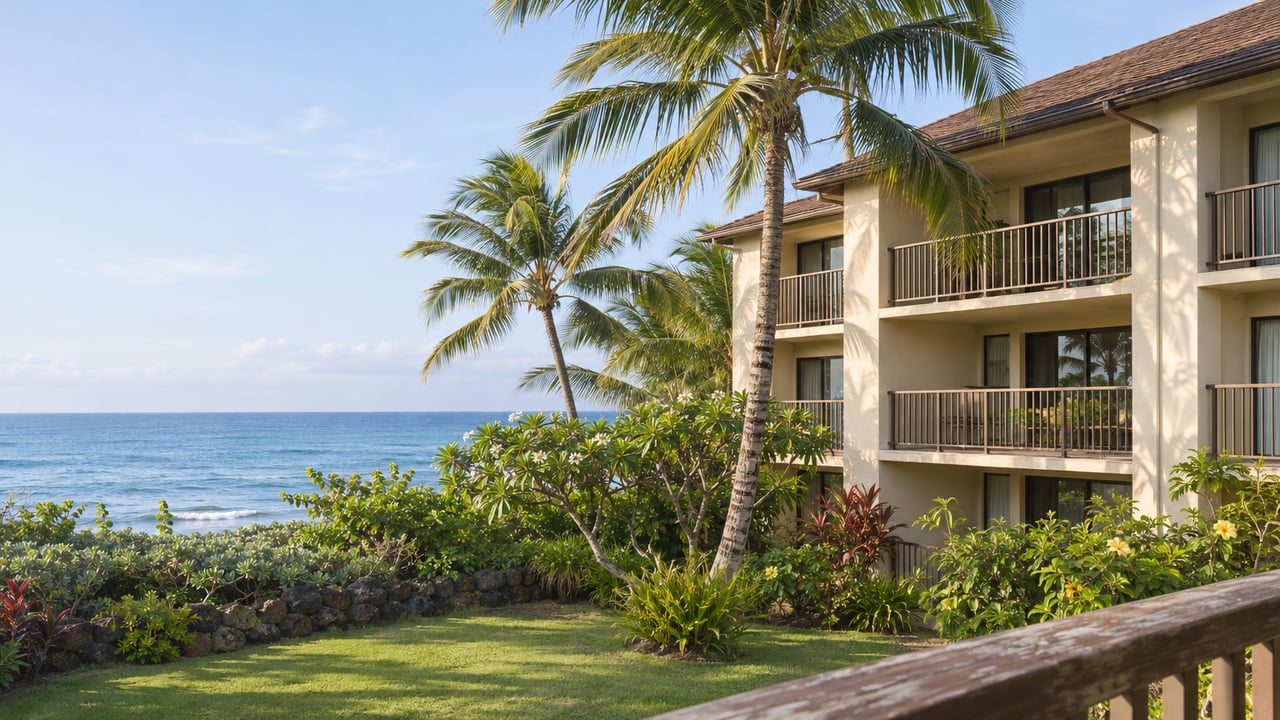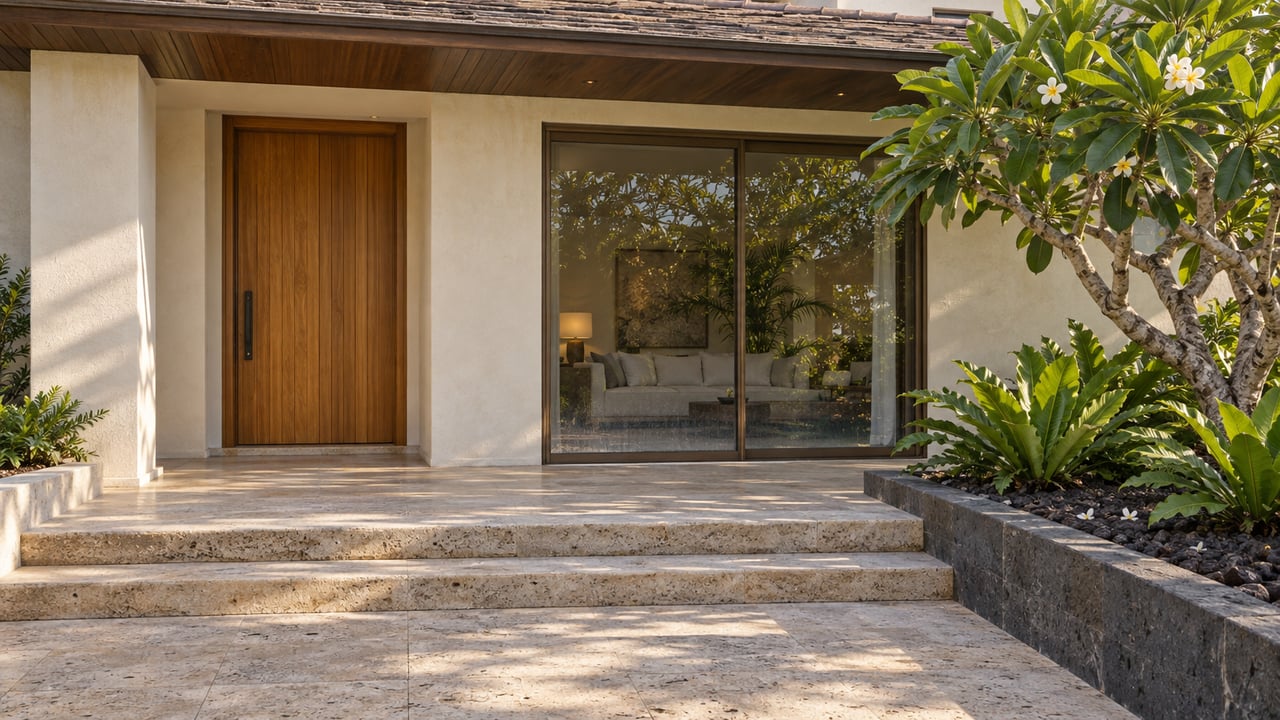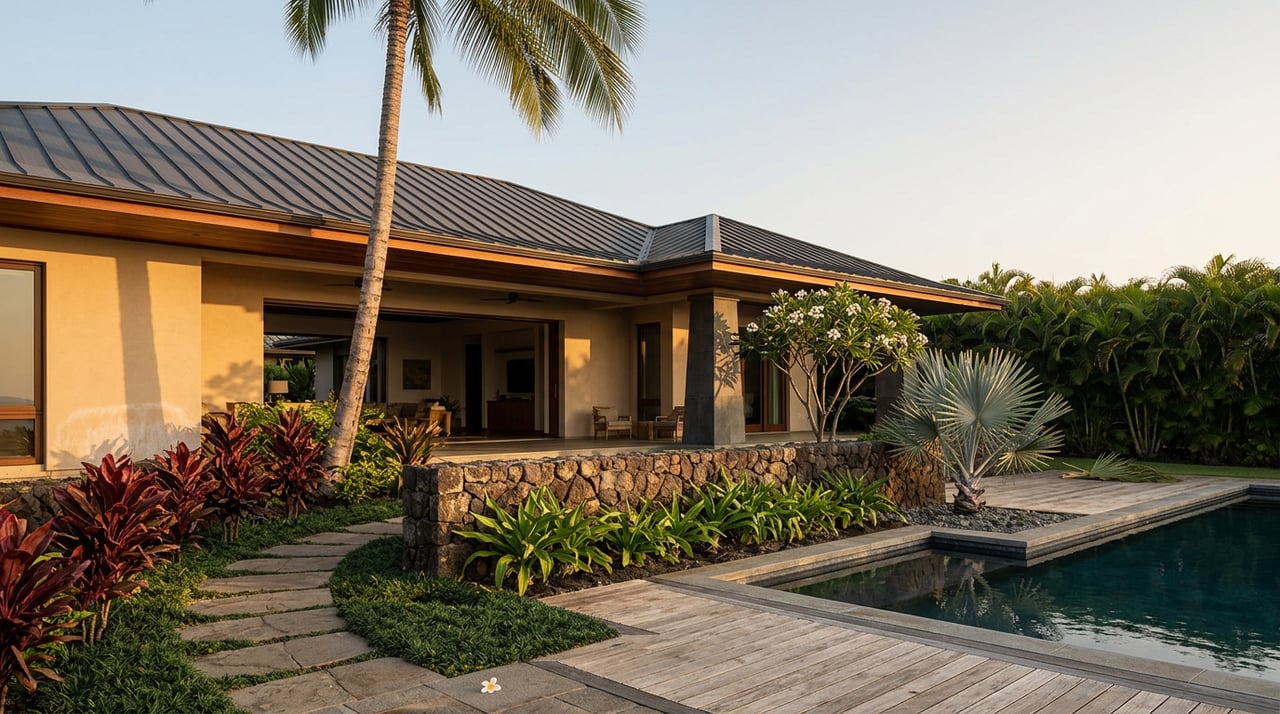
When Peter Thiel closed on a 1.7-acre parcel in Makena for $27 million, it made headlines. In 2021, Jeff Bezos and Lauren Sanchez paid roughly $78 million for the Carter Estate near La Perouse Bay, just south of Makena, nearly 15 acres of oceanfront with a private two-acre cove. The figures can have consequences beyond the headlines. According to the Maui County Real Property Assessment Division, those sale prices can also become the comparable sales the county uses to assess every parcel around them, whether that parcel just sold or has been in the same family for five generations.
That mechanism, more than any listing price, is the thing worth understanding before you buy in Makena.
How a Sale Down the Road Becomes Your Tax Bill
Maui County assesses real property based on market value, and market value is built from recent comparable sales in the area. In most Maui neighborhoods, that system works the way it does everywhere: a handful of transactions a year nudge the assessment gently. Makena is not most neighborhoods. The Realtors Association of Maui reported just 9 single-family sales in Wailea and Makena combined through the first quarter of 2026, with a median of $2,737,500. By July 2026, RAM's year-to-date figures put the Wailea and Makena single-family median near $2.8 million against an island-wide median of $1,228,000.
The effects reach beyond a buyer's comp sheet, touching families whose ties to Makena long predate the latest sales.
The Family the Beach Is Named After
As Ka Wai Ola reported, Chang's Beach, the popular name for Poʻolenalena Beach in Makena, is not a marketing invention. It comes from the Chang-Kukahiko ʻohana, a family with generations of history on that stretch of coastline. Ed Chang, Jr., a fifth-generation descendant of the Kukahiko family, has spent years working to keep the family's remaining land in Makena from being taxed out of their hands. Sixth-generation descendant Keiki Kawaiʻaeʻa put the problem plainly when the county's tax relief bill passed, saying that "exorbitant taxes that, over time, have displaced and separated families from their ancestral lands" had become the real threat facing families like hers, not development pressure in the abstract but the assessed value that development pressure generates next door.
The irony is visible on the same stretch of sand. The beach carries the family's name. Current market listings along that same shoreline market oceanfront acreage near "Chang's Beach" as a selling point, sometimes at prices in the tens of millions. The name that signals heritage to a longtime resident signals premium positioning to a buyer, and both readings are accurate at once.
The Fix Almost Nobody Outside Makena Has Heard Of
Maui County's response to this exact pressure is Bill 118, known as the ʻĀina Kūpuna ordinance, introduced by County Council Vice-Chair Keani Rawlins-Fernandez and signed into law by then-Mayor Michael Victorino. It lets qualifying lineal descendants who have held title to land within the county's Special Management Area, the coastal band that covers most of Makena's shoreline parcels, dedicate that land as ʻāina kūpuna for a renewable 10-year term. During that dedication, the property is taxed at the county's flat minimum rate rather than its full assessed value. Ka Wai Ola, the Office of Hawaiian Affairs newspaper, reported the minimum landing at roughly $350 a year when the ordinance passed, a figure worth confirming against current county rates since minimums can shift year to year.
The tradeoff is real. Maui County's current dedication form says the land cannot be conveyed to a non-descendant or used for commercial purposes during the dedication period. It is a mechanism built for exactly one purpose: letting a family stay on land whose market value has been set by transactions that have nothing to do with them.
For a buyer scanning Makena listings, this is the part of the story that will not show up in a comp sheet. Somewhere between the resort estates and the golf club parcels, there are ʻāina kūpuna dedications quietly holding tax bills near the county floor while the assessed value of the land around them climbs into eight figures.
What This Means If You're the One Making the Offer
If you are the buyer rather than the descendant, you sit on the other side of this system entirely, and it is worth being specific about what that means before you write an offer.
Maui County taxes owner-occupied, non-owner-occupied, and short-term rental classifications at meaningfully different rates per $1,000 of assessed value, and the gap between the lowest and highest tiers is not small. Maui County publishes its current classification structure directly, and it is worth checking against your specific intended use before you assume a number.
A few things worth verifying on any Makena parcel before you remove contingencies:
- Whether the property currently carries an ʻāina kūpuna dedication. Because that status is tied to lineal ownership, it does not transfer to an unrelated buyer. A low tax bill in the county's current records is not a preview of what you will owe once the sale closes and the classification resets.
- What comps actually apply to your specific parcel, not the blended Wailea and Makena median. As of June 2026, active Makena home listings numbered only a handful, spanning roughly $9 million to just under $30 million, a range wide enough that a single median figure tells you very little about any one property.
- Whether your intended use, primary residence, second home, or rental, lands you in a materially different tax tier than the seller's current classification.
- How recent large land transactions nearby might already be working their way into next year's assessment, even on properties that have not changed hands or changed hardly at all. Even large undeveloped parcels move fast here. One 47-acre lot inside the Makena Golf and Beach Club development sold for $5.2 million in the first quarter of 2026 alone, a reminder that comps in this market get set by land as often as by finished homes.
None of this makes Makena a harder place to own well. It makes it a place where the county's ordinary math runs on an extraordinary set of inputs, and where the family that gave a beach its name and the buyer eyeing an oceanfront lot two properties down are living inside two different tax realities on the same road.
Before You Write the Offer
Makena rewards buyers who ask sharper questions than the median price invites. If you are weighing a purchase here, Laurie Keyhani can walk through the specific parcel's tax classification, recent comps that actually apply to it, and what a realistic first-year tax bill looks like once your intended use is factored in. Let's Connect before the offer, not after the assessment notice arrives.
This article is general information, not legal, tax or financial advice. Consult a qualified professional about your situation.