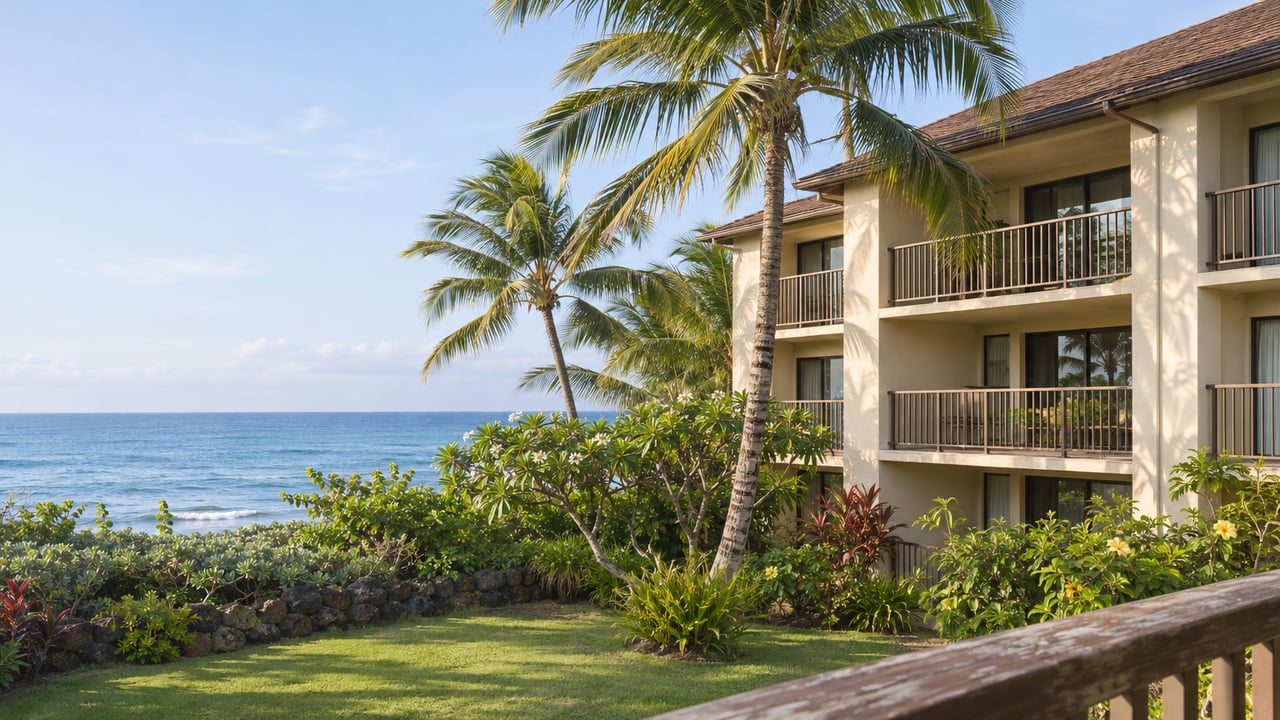
Buying a Kihei condo from the mainland can feel simple at first. You find a great view online, tour the unit by video, and start imagining mornings on the lanai. But in Hawaii, a condo purchase often turns on details that photos cannot show, from ownership structure to house rules to reserve funding.
If you are buying from afar, you need a process that helps you slow down, verify the right facts, and make decisions with confidence. The good news is that Hawaii gives condo buyers access to important disclosures and, in many cases, allows key steps to happen remotely. Here is how to navigate a Kihei condo purchase from afar with less stress and fewer surprises.
Start With Ownership and Project Details
One of the first things to confirm is whether the Kihei condo is fee simple or leasehold. Under Hawaii condominium law, some units may include a leased land interest rather than full ownership of the land. That can affect long-term value, financing, and how you view the purchase.
For that reason, recorded title and project documents matter early in the process. If you are comparing more than one Kihei complex, it is smart to verify the exact project before you get too attached to a listing. Similar project names or nearby addresses can create confusion if you are relying only on listing photos and marketing remarks.
The practical starting point is the Hawaii DCCA condominium database. The state says buyers can search by project name, TMK, address, developer, or registration number, and the same resource page also points to recorded documents and condo mapping tools for deeper review.
Review the Full Disclosure Package
For a resale condo, Hawaii seller-disclosure law requires important association documents to be provided. These can include the association’s articles, bylaws, declaration, and rules that govern common areas, maintenance, assessments, and use restrictions. If the condo is subject to other recorded or unrecorded restrictions, those must also be disclosed.
This matters even more in coastal South Maui. Hawaii disclosure rules also require notice when a property lies in flood, tsunami, military-noise, or sea-level-rise exposure areas. For shoreline parcels, sellers may also need to disclose erosion-control structures or related violations and fines.
If you are looking at a unit near the shoreline in Kihei, do not treat location review as a formality. It is part of understanding both the property and the risk profile tied to that location.
Know Which Condo Documents Matter Most
The declaration, bylaws, and house rules are the foundation of how a condo operates. According to Hawaii condo education materials, these documents set the rules for permitted and prohibited uses, board powers, fines, insurance requirements, and pet policies. House rules can also cover daily living details like quiet hours, pool hours, and guest parking.
If you are buying remotely, these documents can tell you far more than a listing description. They help you answer practical questions about how the property can actually be used and what ownership will feel like day to day.
Before you write an offer, ask for these items first:
- Declaration
- Bylaws
- House rules
- Current annual budget
- Reserve study
- Insurance summary
- Recent board or association minutes
- Special assessment history, if any
For off-island buyers, there is a helpful update here. Under Act 161, approved on June 3, 2025, associations must provide an electronic copy of their governing documents to the unit owner or authorized agent at no cost, and other required records may also be made available electronically on written request. That makes remote due diligence much easier.
Focus on Budget, Reserves, and Fees
A condo’s monthly maintenance fee is one of the easiest numbers to compare and one of the easiest to misunderstand. In Hawaii, that fee represents the owner’s share of common expenses, and the cost generally rises over time. It is not just about amenities. It also supports upkeep, management, and shared operating costs.
A lower fee is not always better, and a higher fee is not always a problem. What matters is whether the building’s budget, reserve strategy, and actual condition support the number you are seeing.
The reserve study is especially important. Hawaii DCCA says each project needs a reserve study to identify which building components the association is responsible for, when they will likely need work, and what that work is expected to cost. If the study was not prepared by an independent reserve study preparer, it must be reviewed by one at least every three years.
Thin reserves can create real problems for remote buyers. DCCA warns that under-reserved condos may face large special assessments, and insufficient reserves can make a property harder to finance or sell later. In short, the reserve study can tell you a lot about the building’s financial health and future cost exposure.
Read the Minutes for Hidden Clues
Photos show staging. Minutes show friction.
Recent board and association minutes can reveal issues that are easy to miss when you are buying from another state. Hawaii buyer checklists encourage buyers to look for special assessments, lawsuits, capital improvements, delinquencies, recalls, collections, and insurance claims.
This is one of the best ways to spot risk before you are committed. If the minutes repeatedly mention leaks, deferred maintenance, rising insurance costs, or disputes over repairs, that gives you a more complete picture of the building.
Management details also matter. You should know whether the association uses a property manager, site manager, resident manager, or self-management, and who handles records or answers board questions. For an off-island owner, clear management structure can make ownership feel much smoother.
Confirm Use Restrictions Before You Assume Anything
A remote buyer should never assume a condo can be used a certain way just because the layout or location seems to fit. If you hope to bring pets, host guests regularly, or use the unit in a specific way, the answer needs to come from the governing documents, not from guesswork.
In practice, that means reviewing rental limits, pet rules, smoking rules, parking rules, and any resort or occupancy restrictions in the declaration, bylaws, and house rules. These documents define the real boundaries of ownership.
This is especially important in Kihei, where buyers may be comparing condos for personal use, part-time occupancy, or long-term value. The best fit is not only about price and view. It is also about whether the rules align with your goals.
Pay Attention to Insurance
Insurance deserves a close look in any Hawaii condo purchase. DCCA’s 2025 condominium bulletin notes that the state enacted stabilization measures in response to escalating premiums and limited coverage options in the condominium insurance market.
That does not mean every building has the same issue, but it does mean the association’s master-policy summary deserves careful review. If you are buying from afar, this is one of those documents that can feel technical but has a real impact on ownership costs and risk.
Use a Remote Buying Workflow
A good remote purchase process is less about speed and more about clarity. When you have a system, you can move forward confidently without needing to be on Maui for every step.
Before You Make an Offer
Use the DCCA database to confirm the exact project and cross-check the recorded declaration and map if needed. This can help you avoid confusion between similarly named Kihei properties or buildings with different rule sets than you expected.
At this stage, request the core condo documents and review them before relying too heavily on listing photos or a video showing. This is where you start testing whether the property fits your actual goals.
During Due Diligence
Create one digital folder for all key records. Include the declaration, bylaws, house rules, budget, reserve study, insurance summary, recent minutes, and any assessment history.
Because Hawaii now allows electronic delivery of governing documents at no cost in certain cases, remote review is more practical than ever. This gives you and your agent a cleaner way to organize facts, flag concerns, and compare options.
Use a local inspector and, when helpful, a live video walk-through. Hawaii condo guidance recommends paying attention to issues that can affect future costs, including water intrusion, roof condition, common-area wear, and building systems tied to reserves.
At Closing
Hawaii law allows a remotely located individual to satisfy a personal-appearance requirement through communication technology before a remote online notary public. The Bureau of Conveyances also offers e-recording for Regular System and Land Court documents.
In many cases, that means you may be able to close without flying to Maui. Still, lender, title, and escrow requirements will determine which signatures and documents must be handled in which format.
After Closing
Once you close, ask for the latest house rules, amenity instructions, parking procedures, board or manager contact information, and owner portal access if available. These day-to-day documents matter more than many buyers expect.
A smooth first month of ownership often comes down to having the right practical information from the start.
A Calm Approach Goes a Long Way
Buying a Kihei condo from afar does not have to feel overwhelming. The key is to treat the condo documents, financial records, and disclosures as seriously as the unit itself.
When you combine careful document review with local guidance and a clear remote process, you can make smart decisions without rushing. If you want experienced, grounded support as you compare Kihei condos from the mainland, Laurie Keyhani can help you navigate the process with clarity and honest insight.
FAQs
What should you review before buying a Kihei condo remotely?
- Ask for the declaration, bylaws, house rules, annual budget, reserve study, insurance summary, recent minutes, and any special assessment history before you make a decision.
How can you tell if a Kihei condo is fee simple or leasehold?
- You should confirm the ownership structure through the recorded title and project documents, since Hawaii condos can be either fee simple or leasehold.
Why do condo reserves matter for a Kihei buyer?
- Reserve funding helps cover future repair and replacement costs for major building components, and weak reserves can lead to special assessments or financing issues.
Can you close on a Kihei condo from the mainland?
- Often, yes. Hawaii allows remote online notarization for qualifying situations, and the Bureau of Conveyances offers e-recording, although lender, title, and escrow requirements still control the final process.
How do you know whether a Kihei condo fits your intended use?
- Read the declaration, bylaws, house rules, and seller disclosures carefully to confirm rental limits, pet rules, parking rules, smoking rules, and other occupancy or use restrictions.