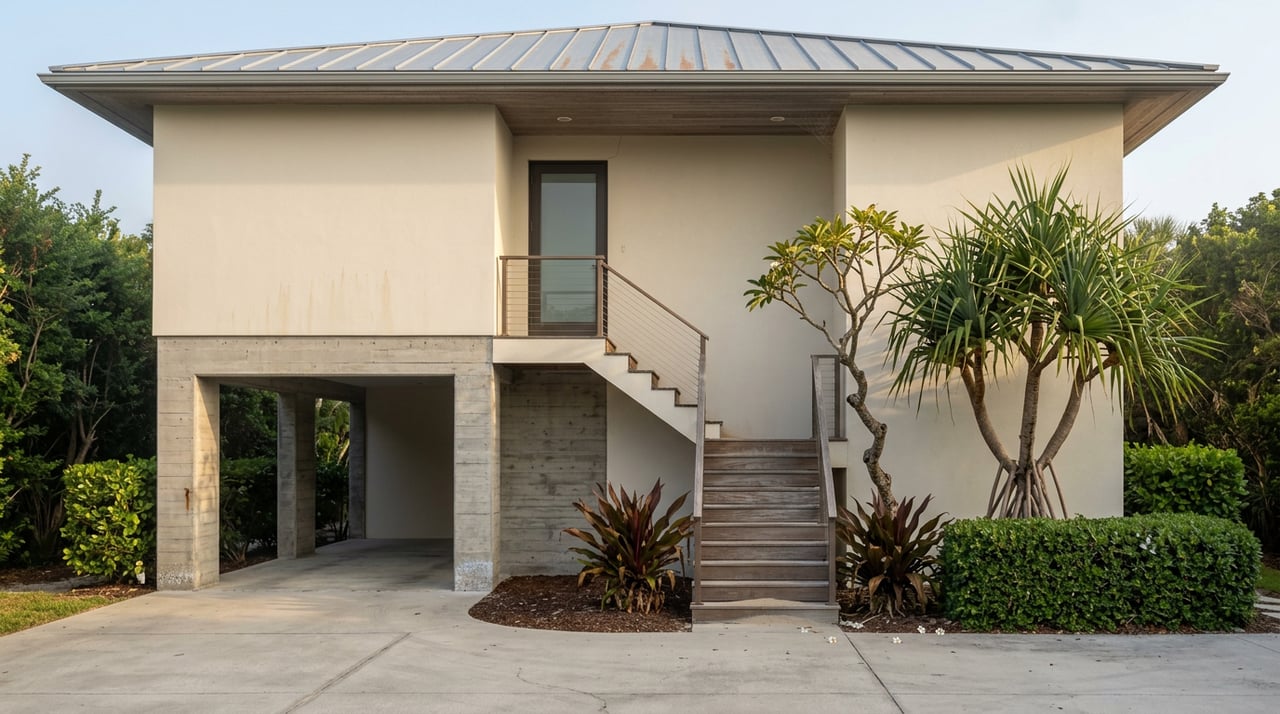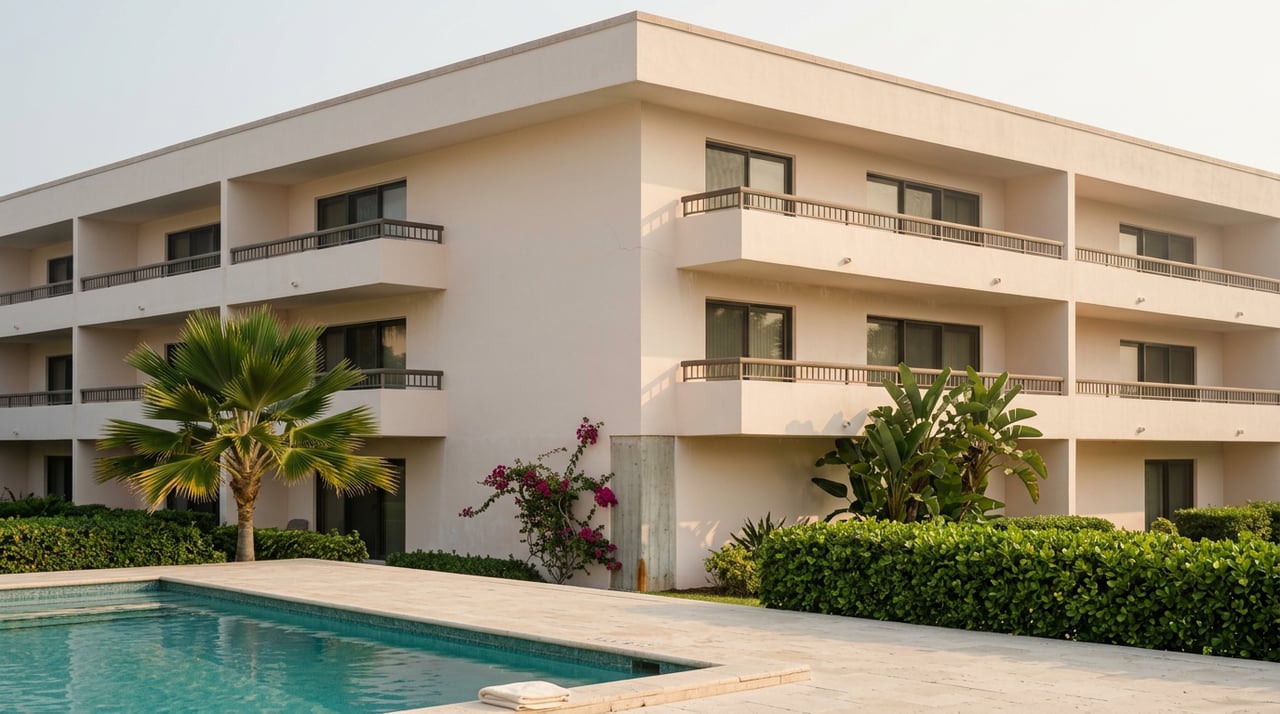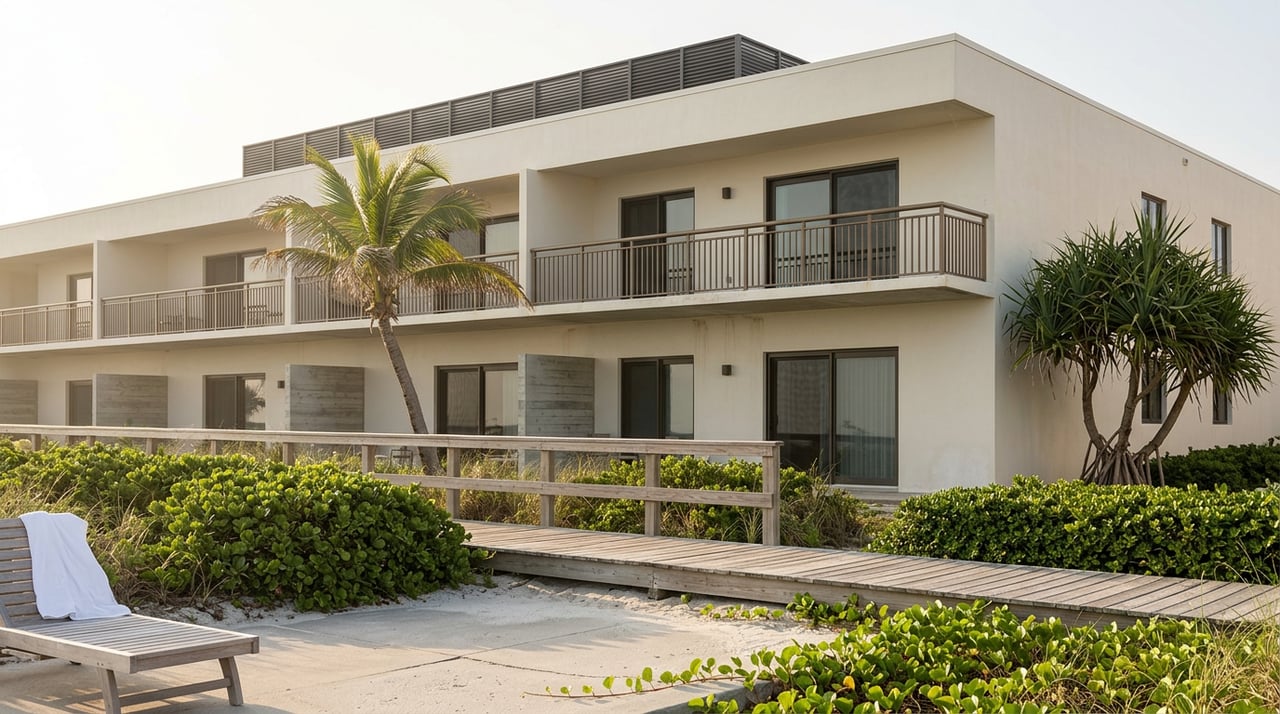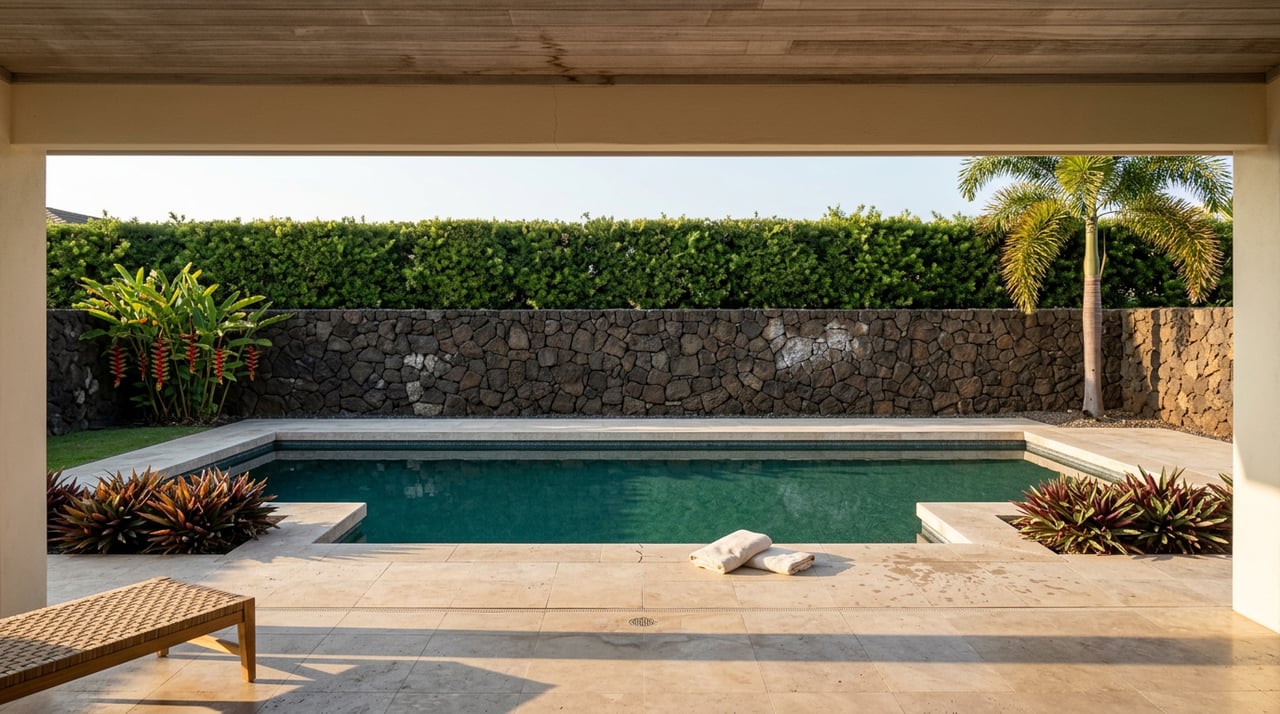
Anyone who has parked at Mākena State Park on a hot Saturday knows the drill. You pay at the kiosk, you walk the sand path past the kiawe trees, and if you need a restroom before or after, you use a portable toilet that has been baking in the South Maui sun since before some of us moved here. That is the Makena most people know: wild on purpose, unimproved by design, three beaches and a cinder cone with almost nothing built on top of it. A mile and a half up Mākena Alanui Road, on the acreage that used to be the public grounds of the Maui Prince Hotel, a completely different kind of investment has been unfolding all season, and it looks like a string of farm dinners.
Both of these things are true about Makena right now, and neither one gets you the full picture on its own.
What the State Actually Proposed for Big Beach
Mākena State Park covers 164.4 acres and holds three separate beaches: Oneloa, better known as Big Beach, Little Beach behind the Puʻu Ola'i cinder cone, and One'uli, the black sand beach on the northern end near Maluaka. It has operated this way for years with no drinking water and no permanent restroom facilities, just the portable units at the north and south parking lots.
That is the piece set to change. In May, the Hawai'i Department of Land and Natural Resources' Division of State Parks announced it would submit a phased construction proposal to the Maui Planning Commission the following month, calling for permanent comfort stations and outdoor showers at both the north and south lots. The comfort stations would replace the existing portable toilets. The showers would be an entirely new feature, something the park has never had.
"Sweltering porta potties and a lack of rinsing showers is no way to service visitors at a park of this magnitude," said DSP Acting Administrator Alan Carpenter. "This is a long-awaited upgrade."
The division was careful to frame the project around two commitments it says will not change: public access and the preservation of the park's natural and cultural resources. "These improvements have no impact on access for the public and will simply provide quality infrastructure to those who enjoy Mākena," Carpenter added. You can read the full DLNR announcement here.
Nothing on the ground has changed yet. This is a proposal that went to the Planning Commission, not a ribbon cutting. If you are headed to Big Beach this month, the routine is the same one it has always been: pack your own water, expect the portable toilets a while longer, and if you are a non-resident, budget for the $5 per person and $10 per vehicle fee. Hawai'i residents still get in free with ID.
A Different Kind of Investment, Up the Road
The land just north of Big Beach has a different recent history. The Maui Prince Hotel opened there in 1986, later became the Makena Beach & Golf Resort, and closed for good on July 1, 2016. The old hotel was demolished in 2018, and what stands there now is Mākena Golf & Beach Club, a private, members-only community developed by Discovery Land Company. The North Course has been renovated and is in play for members. The South Course is retired. Public and resort access, the kind that let anyone wander the grounds or book a room, ended when the hotel closed.
What has not ended is the club's habit of hosting community fundraisers at its working farm, Nāulu Farm, and at a gathering space called Hale Pili. This summer's calendar looks like this:
- June 4 – Lau Ke Aloha, a community art gathering at Hale Pili, open to the public ahead of the June benefit dinner
- June 27 – "Hānau Kana, He ʻākoʻakoʻa, Puka" (Born was the Coral, It Rises), a benefit dinner at Nāulu Farm for the Maui Nui Marine Resource Council and Hui O Ka Wai Ola, marking Hui O Ka Wai Ola's 10th anniversary
- August 8 – "Kupu ka niu, kupu ke kanaka" (The niu sprouts, the people grow), a farm dinner supporting Maui Food Bank's Da Mobile Market
- August 30 – I Mau Ke Aloha, a community golf event benefiting Hawaiʻi Land Trust and Lahaina Community Land Trust
The June 27 dinner built its theme around four species that indicate a healthy reef system: uhu uliuli, the male spectacled parrotfish that grazes algae and produces the sand that forms Maui's beaches, limu palahalaha, pōhaku puna or antler coral, and honu, the green sea turtle. "Our reefs, our water, and our island are inseparable from who we are as a community," said Amy Hodges, executive director of Maui Nui Marine Resource Council. The August 8 dinner, four days from now, pairs Maui Food Bank's featured crop, ʻuala, with the club's own featured species, niu, the coconut. Brad Anderson, the club's senior director of development, has spoken ahead of both gatherings, and general manager Zach Fahmie added his own remarks for the August dinner. Live music both times comes from Marja Lehua Apisaloma and Wailau Ryder.
Da Mobile Market itself has grown fast since it launched in 2025 with a $2,113,530 grant from the American Red Cross. Its two trucks carry a combined 10,000 pounds of food to West Maui, Upcountry, and Hāna. Interim CEO Brandi Saragosa said monthly food distribution has climbed from 250,000 pounds to more than 700,000 pounds, including 200,000 pounds of fresh produce a month, as demand surged after the 2023 wildfires. You can see the program's own numbers on the Maui Food Bank site.
Why the Timing Says Something
Here is the detail that stood out while pulling this together. Hui O Ka Wai Ola turns ten this year, which means its founding lines up almost exactly with the year the old Maui Prince property closed its doors as a public resort. A decade later, the private club built on that same ground is the one hosting the anniversary dinner for a volunteer water-quality group that has spent that entire decade testing Maui's nearshore waters, the same water Big Beach swimmers wade into a mile down the road.
That is not a cause and effect story. It is a coincidence of timing that happens to land in the same season the state finally moves on plumbing for the actual public beach. Two separate institutions, a county agency working through a Planning Commission process and a private club running a farm dinner series, are both putting real resources into Makena this year. One is doing it through public infrastructure. The other is doing it through private capital directed at food access, reef monitoring, and land conservation. Reading only one side of that story misses how the neighborhood is actually functioning day to day.
What This Means for Your Next Beach Day
If your plans this month are the usual ones, drive out to Big Beach, hike over to Little Beach or down to One'uli, watch the sunset with Molokini on the horizon, nothing about your visit changes yet. The restrooms are still portable, the trail to Puʻu Ola'i is still the same rough scramble it has always been, and lifeguards are still on duty at Big Beach from 8 a.m. to 4:45 p.m.
If you are curious about the Nāulu Farm events, keep in mind they sit on private club property and require advance registration, they are not something you can walk up to the way you would a county park program. But watching the calendar tells you something about how this stretch of coastline works. The wild half is inching toward better infrastructure through the slow, public channel it was always going to use. The developed half keeps using its resources to fund the kind of community work that used to come from resort amenities and public agencies both.
Makena rewards this kind of attention. It is easy to drive past the park entrance and the club gate and see two unrelated properties. Spend a season paying attention and you start to see two institutions responding to the same place in their own ways, on their own timelines, and this is the year both of them happened to move at once.
If you are thinking about property in Makena, Wailea, or anywhere else on the South Maui coast and want someone who tracks this kind of detail as a matter of course, Laurie Keyhani would love to talk story. Let's Connect.